Raising Beef
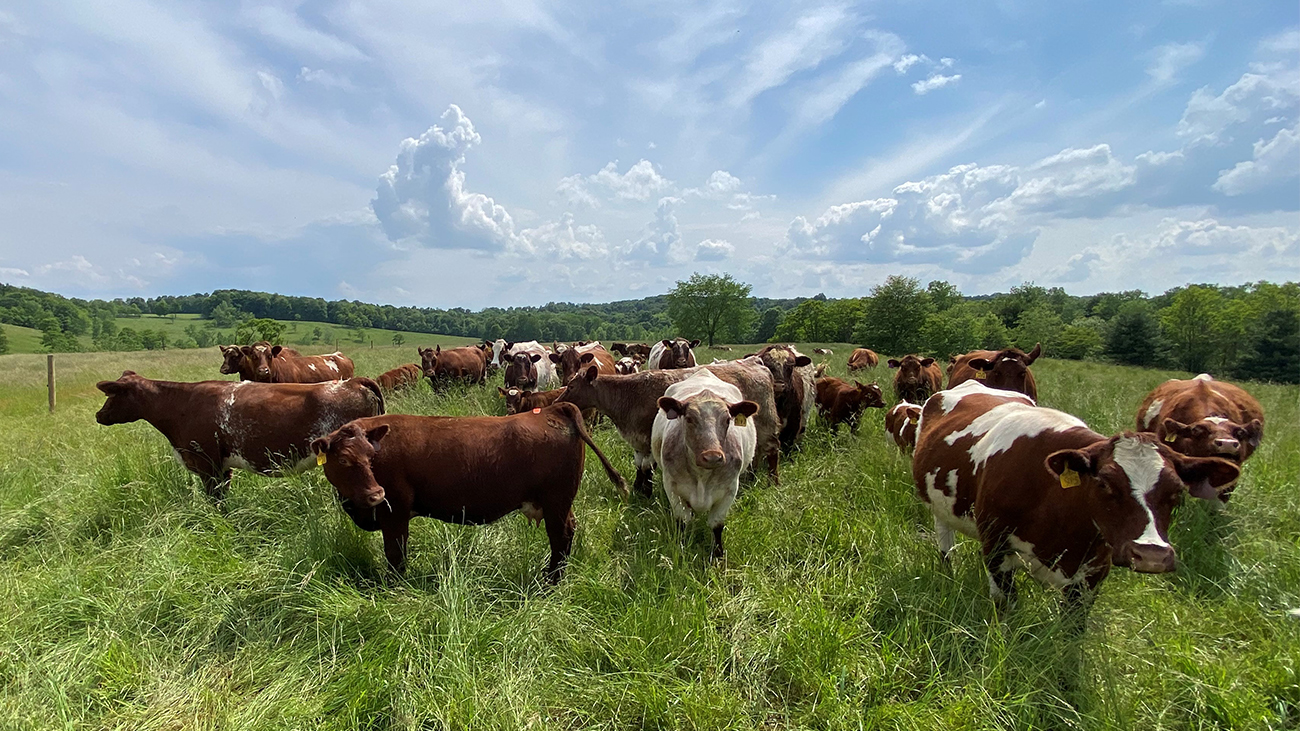
Raising beef is a complex process, but throughout the entire journey, one thing remains constant – the shared commitment to raising cattle in a safe, humane and environmentally sustainable way. Currently, more than 90% of U.S. farms and ranches are family-owned and operated. Learn more about the people who are invested in raising high-quality, sustainable beef for generations to come.
The Story of Beef

Beef Sustainability
To the beef community, sustainability involves more than environmental considerations. A sustainable food supply balances efficient production with environmental, social and economic impacts.

Beef Production
Across the journey of raising beef, one primary thing remains constant – the beef community’s shared commitment to raising cattle in a safe and environmentally sustainable way.

Ensuring Beef Safety
Explore the essential function that safety plays across the beef lifecycle journey – from the cattle ranches across the U.S., to the meat processing plants, to your kitchen table.
Meet Ohio's Beef Farm Families

Gahler Farms
Alan Gahler and his family are raising more than beef—they're building a legacy of hard work, dedication and family values for future generations.

Dutton Cattle Company
At the Dutton Cattle Company hard work and a passion for raising high-quality beef come together from pasture to plate.

Dr. Hannah Jarvis Miller, DVM
As a Doctor of Veterinary Medicine, Dr. Hannah knows that high-quality beef starts with high-quality care.

Paint Valley Farms
Growing up around livestock, Lee was impacted by the responsibility of raising cattle and wanted his children to learn the same lessons.

The Johnson Family
Jordan and his brother, Beau Johnson, turned their love of cattle and youth programs like 4-H and FFA into a family operation.

The Stover Family
Ohio State Football player Cade Stover was raised with a work ethic and determination he values both on the farm and on the football field.

The Robison Family
The Robison family has been farming for five generations, but Allan and his brother, Thad, were the first to raise beef cattle.

The Lohr Family
In 2020 the Lohr family started a new venture in the cattle industry and opened a meat market.

Seibert Livestock
Seibert Livestock in St. Mary’s, Ohio is constantly expanding and looking for new opportunities for growth, but behind the scenes, it is a well-oiled operation that has always been in the cattle industry.

The Raber Family
From raising cattle with their families to providing beef for customers in their local restaurants, the Raber family is the true definition of 'pasture to plate.'

The Harris Family
The Harris family takes pride and understands the importance in caring for each individual animal on their farm, which is why their relationship with their veterinarian is important.

The Atterholt Family
Raising cattle is a lifestyle for the Atterholt Family, one that they cherish and don't take for granted..

Dr. Lyda Garcia
Dr. Lyda Garcia has dedicated her life to educating students and farmers on producing high quality beef for consumers. Learn more about the knowledge invested in raising beef, from the pasture to the plate.

The Grimes Family
The Grimes family of Hillsboro, Ohio work collectively to manage their 350 head of cattle, with one thing in mind - the consumer.

Beef in a Healthy, Sustainable Diet
Beef is nourishing and sustainable. It promotes health and helps prevent nutrient deficiencies. Environmentally, cattle play a unique role in our food system because they upgrade inedible plants to high-quality protein. Most people are already eating beef within global dietary guidelines, so we believe the biggest opportunity for a healthy sustainable diet will come from reducing food waste, including beef, eating fewer empty calories and enjoying more balanced meals.

Animal Care and the Modern Farmer
Cattle farmers and ranchers have many tools to keep the animals in their care healthy and safe, including nutrition programs, veterinary care, facilities that ensure comfort, and good management practices, such as low-stress handling, vaccines and antibiotics, when necessary. No matter the tool, when it comes to animal health, the practices are science-based, regulated and, above all, good for the animal and the consumer.
Rethink the Ranch
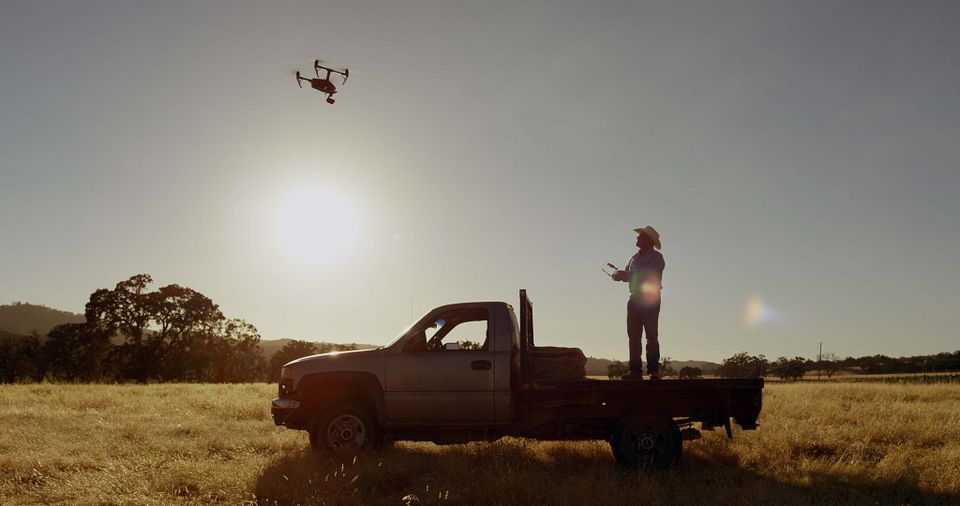
Much has changed since the days of cowboys, cattle drives and the Old West. Today, it's more about drones, apps and computers. Join us as we travel across the country talking to real, modern farmers about how they care for the cattle, what inspires them and why they work so hard day after day.
Find Local Ohio Beef Near You!
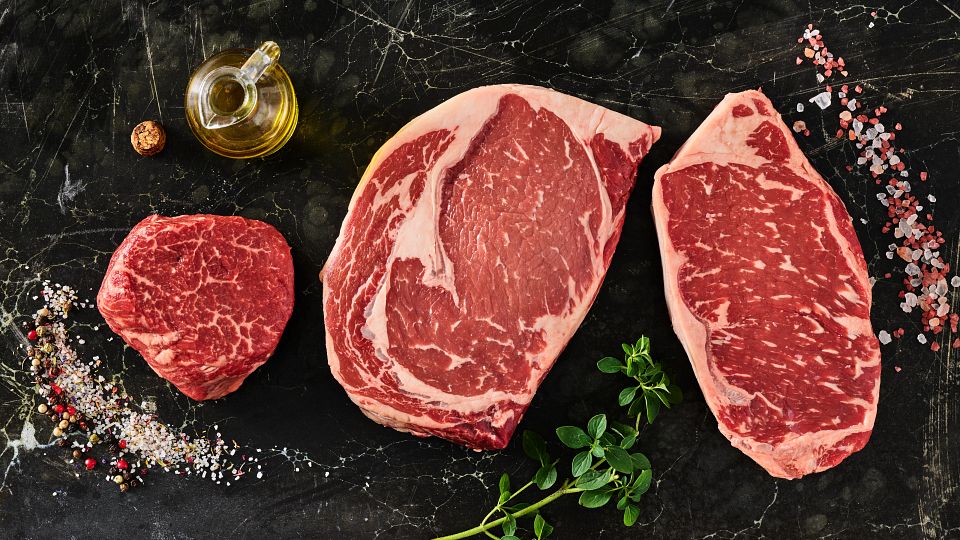
Ohio’s beef industry is proud to offer consumers the opportunity to purchase beef directly from local producers. Commonly known as “freezer beef,” this tradition reflects how farmers have long raised, processed, and aged beef locally before storing it to feed their own families.